
 Tiếng Việt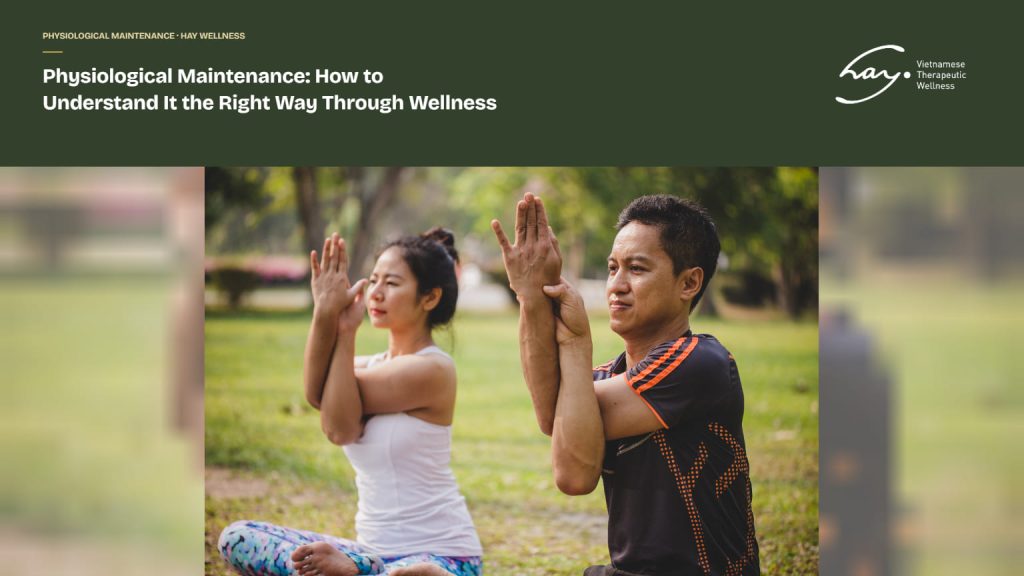
Physiological maintenance is an everyday term for caring for the body on a regular basis to sustain a sense of well-being, relaxation, and balance in daily life. In a wellness spa setting, physiological maintenance is not a medical service. It is a body care experience that helps guests relax, ease everyday tension, and tune in to how their body feels.
Key Takeaways
- Physiological maintenance should be understood as foundational self-care: rest, relaxation, appropriate movement, balanced nutrition, and regular body care.
- A wellness spa can support feelings of relaxation, lightness, and reduced tension, but should not be seen as a medical solution for physiological or hormonal concerns.
- Experiences such as body massage, foot massage, scalp wellness treatments, and personalized body care should be tailored to each guest’s physical state and personal comfort.
- Anyone with persistent symptoms including pain, numbness, weakness, dizziness, noticeable hormonal disruption, or pregnancy should consult a medical professional before using wellness services.
What Is Physiological Maintenance?
Physiological maintenance is a way of caring for the body that focuses on sustaining vitality, reducing stress, and supporting a stable daily rhythm. It is not a method for addressing medical conditions.

In everyday life, many people reach for this concept when the body feels run down: sleep feels shallow, stress has been building for weeks, physical activity has dropped off, or a sense of balance has been lost after a period of heavy work. The search intent behind this term is rarely about a single service. It reflects a broader need to be cared for from the ground up, a body that feels lighter, a mind that is quieter, and a daily routine that has some rhythm to it again.
At HAY Wellness Center, the right approach is wellness-safe: focusing on relaxation experiences, caring for areas of the body that carry tension, applying warmth when appropriate, helping guests choose a session length that suits their energy level, and encouraging sustainable daily habits. This content does not suggest that a spa can directly influence hormones, physiological systems, or bodily functions in a medical sense.
Why Do People Look for Physiological Maintenance?
The need for physiological maintenance tends to surface when the body sends signals of overload. Office workers may notice tightness in the neck and shoulders, heaviness in the back, tired legs, and an inability to wind down after work. People who are on their feet for long periods or travel frequently may need attention on their legs, feet, and lower back. Those carrying sustained mental stress often need structured time away from work so that breathing, rest, and physical awareness can settle back into a steadier place.
The range of related searches around this topic includes hormonal balance, relaxation massage, abdominal care, shoulder and neck care, stress relief, sleep quality, and finding the right spa. The area that requires the most care in framing is anything related to hormones. A wellness spa should not promise to influence hormone levels or physiological function. The safer and more accurate framing is to speak about feelings of balance, relaxation, and body care that supports a healthy lifestyle.
How Should Hormonal Physiological Maintenance Be Understood?
Hormonal physiological maintenance should be understood as lifestyle care and body awareness, not as intervention in the endocrine system.
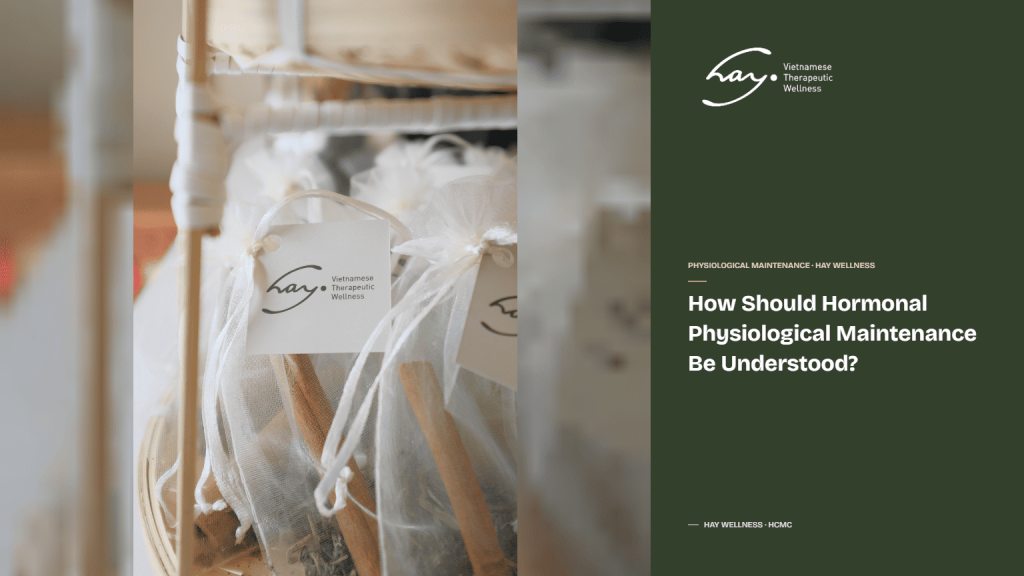
The endocrine system involves many glands and hormones throughout the body. Any noticeable concerns such as persistent fatigue, irregular cycles, unexplained weight changes, prolonged loss of libido, hot flashes, serious sleep disruption, or significant mood shifts should be discussed with a medical professional. A wellness spa does not assess medical causes and does not replace professional medical guidance.
Within the scope of wellness, body care can create conditions for guests to relax more deeply: a quiet environment, massage at appropriate pressure, warmth applied when suitable, and attention to the head, neck, shoulders, back, or feet based on individual need. These elements may help guests feel lighter and find rest more easily after a session, but outcomes vary depending on each person’s overall health, lifestyle, and stress levels.
What Can a Wellness Spa Support in the Body Care Process?
A good wellness spa does not start with oversized promises. It starts by asking how the guest’s body feels. A guest carrying tension in the neck and shoulders needs a different experience from one with tired feet, disrupted sleep, or interest in abdominal relaxation. Personalizing the experience helps the service meet the actual need and avoids turning a broad search term into a commitment the spa should not be making.
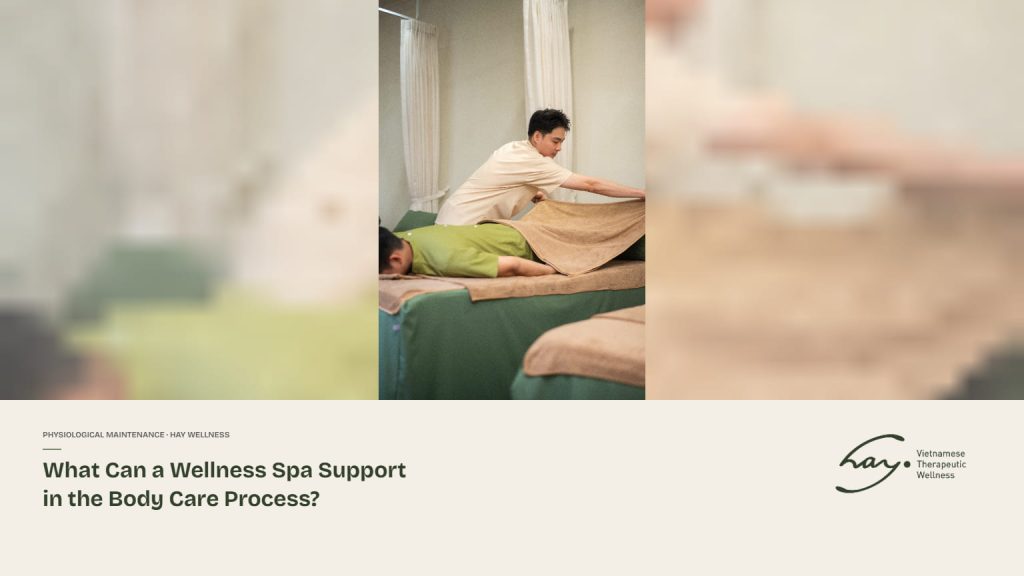
At HAY Wellness Center, experiences can be suggested based on relaxation goals. Body massage 60-75 minutes suits guests who want full-body attention across the lower back, neck and shoulders, legs, and arms. Body massage 90-120 minutes suits guests who want a longer session, deeper relaxation, and additional warming elements. Foot massage 60-90 minutes suits guests who spend long hours standing or moving and want focused care on the feet, calves, and knees.
A scalp wellness treatment is also a gentle option for guests who want relaxation in the head, temples, and neck and shoulder area while taking care of the hair and scalp at the same time. For wellness or energy-based body care services, the safe framing is warmth application, relaxation, hands-on massage, and supportive tools used when appropriate. These services should not be described as medical interventions or as capable of producing hormonal changes.
What Should a Physiological Maintenance Experience at a Spa Include?
A well-structured session starts with the guest feeling heard before anything begins. The therapist should ask which areas of the body feel tight or fatigued, what pressure level is preferred, whether there are any health conditions to keep in mind, how much time is available, and what the guest is hoping to get from the session. For a topic as broad as physiological maintenance, this initial conversation matters more because each guest has a different understanding of what they actually need.
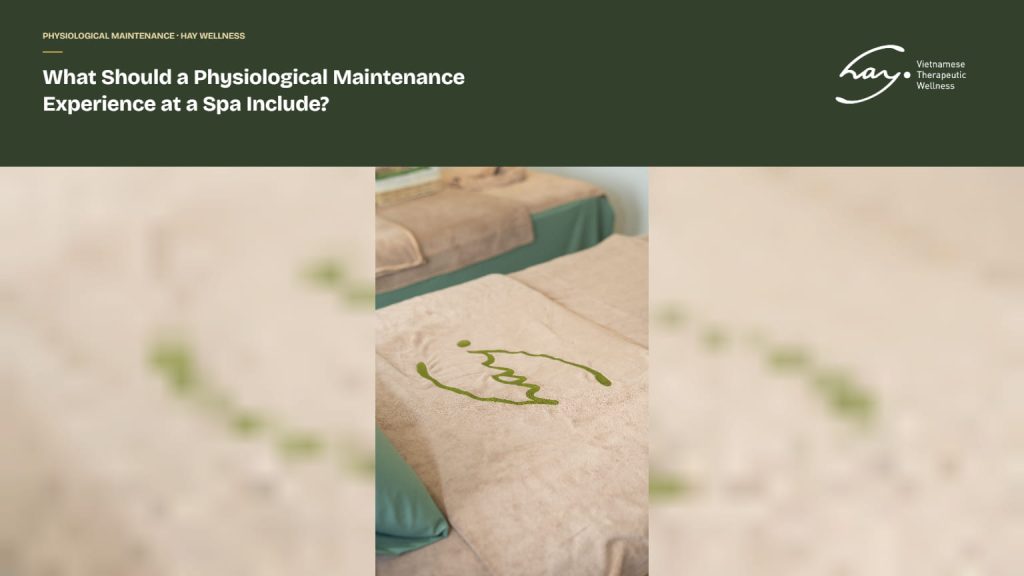
After the check-in, the session can move through stages: warming up the body, focusing on the primary area of tension, incorporating warmth or hot stones when appropriate, and finishing with head or shoulder massage to close the relaxation phase. For abdominal care specifically, the therapist should have a more detailed conversation about the guest’s comfort level, avoid applying heavy pressure, and encourage the guest to observe how the body feels in the hours after the session. This is a personalized experience, not a fixed protocol that applies to everyone.
After the session, guests should drink water, rest lightly, avoid intense physical activity immediately, and pay attention to how the body feels throughout the rest of the day. If anything feels unusual after the service, including increased pain, dizziness, or significant fatigue, guests should stop further activity and seek advice from a qualified professional.
Who Is a Good Fit for Wellness-Based Physiological Maintenance?
The best fit is someone who needs regular relaxation, works long hours, moves very little throughout the day, frequently carries tension in the neck, back, or legs, or simply wants a structured space to take care of themselves. People with demanding schedules may prefer shorter sessions maintained consistently. Those who want a more immersive experience can choose longer durations, but should still prioritize comfort over pressure intensity.

First-time guests are better served by a lighter starting point: body massage 60-75 minutes, scalp wellness treatment 60-75 minutes, or foot massage 60 minutes. After observing how the body responds, they can adjust the session length, focus area, and pressure level for future visits. The right frequency depends on the individual’s schedule, budget, level of fatigue, and capacity to rest after each session.
When Should You See a Doctor or Medical Professional?
You should see a medical professional when the body shows clear, persistent, or disruptive symptoms.
Guests should consult a doctor before using wellness services if they have ongoing pain, numbness, muscle weakness, dizziness, unusual palpitations, inflammation, fever, a recent injury, pregnancy, recent alcohol consumption, specific medications, or a health history that requires monitoring. For concerns related to physiology or hormonal health, a medical professional is the appropriate person to assess causes and recommend a care approach.
A wellness spa can be one part of a self-care lifestyle, but it should not be where guests go looking for answers to complex symptoms. The safest path combines: medical evaluation when something seems off, consistent sleep and appropriate physical activity, balanced nutrition, and then spa services used as a regular space for relaxation and restoration.
How to Choose the Right Service at HAY Wellness Center
Guests looking for physiological maintenance through full-body relaxation can start with body massage 60-75 minutes. This session length is enough to care for the lower back, neck and shoulders, legs, arms, and head, ending with shoulder relaxation. Guests who are on their feet often or travel frequently can choose foot massage 60-90 minutes for more focused care on the feet, calves, and knees.

Guests who want a clear head, relaxation before sleep, or combined hair and scalp care can choose a scalp wellness treatment. The 60-minute option suits a quicker visit. The 75-90 minute option is better when guests also want facial care, neck and shoulder attention, arm massage, and more thorough scalp treatment. For abdominal care or personalized wellness experiences, guests are encouraged to speak directly with HAY Wellness Center so the team can suggest an approach that fits the guest’s body, comfort level, and goals.
Frequently Asked Questions About Physiological Maintenance
Is Physiological Maintenance a Medical Service?
No. Physiological maintenance in a wellness spa context refers to relaxation care, not medical treatment. The appropriate scope covers body comfort, rest, and regular self-care. If symptoms are noticeable or have been persisting for some time, consult a medical professional before booking a wellness service.
Can Hormonal Physiological Maintenance Change Hormone Levels?
A wellness spa should not promise to directly affect hormone levels. A spa can create a relaxing environment, care for areas of the body that carry tension, and support guests in resting more easily. Hormonal concerns should be evaluated by a qualified medical professional.
Should I Choose a Body Massage or a Scalp Wellness Treatment?
Body massage is more appropriate when the whole body feels fatigued. A scalp wellness treatment is better suited for head tension, neck and shoulder tightness, and scalp care combined in one session. If you are not sure which to choose, start with your main concern: back fatigue, leg fatigue, head heaviness, or a need for a quick reset.
How Often Should Physiological Maintenance Be Done?
There is no fixed frequency that applies to everyone. People under high stress may benefit from weekly or monthly sessions depending on time and how the body responds. The important thing is not to push through intense pressure and not to use spa visits to ignore unusual physical signals.
Is Abdominal Care at a Spa Right for Everyone?
No. Abdominal care requires a detailed conversation before the session begins. Guests should clearly communicate their comfort level, health history, digestive conditions, pregnancy status, or anything else relevant to the area. If there are unusual symptoms, speak with a medical professional first.
Conclusion
Physiological maintenance is best understood as wellness-based body care: relaxation, listening to the body, maintaining balanced daily habits, and choosing services that match real needs. HAY Wellness Center is here to support the spa side of that picture, offering safe, gentle, and personalized experiences. For physiological or hormonal concerns that go beyond relaxation, a qualified medical professional remains the right resource.
References:
Gallup. (2024). State of the global workplace: 2024 report. Gallup Press. https://www.gallup.com/workplace/349484/state-of-the-global-workplace.aspx
National Center for Complementary and Integrative Health. (2019, May). Massage therapy: What you need to know. U.S. Department of Health & Human Services. https://www.nccih.nih.gov/health/massage-therapy-what-you-need-to-know
Sức khỏe & Đời sống. (2024, April 2). Đau cổ vai gáy: Nguyên nhân, triệu chứng, phòng ngừa và cách điều trị. Bộ Y tế Việt Nam. https://suckhoedoisong.vn/dau-co-vai-gay-nguyen-nhan-trieu-chung-phong-ngua-va-cach-dieu-tri-169240402123403071.htm
World Health Organization. (2019, May 28). Burn-out an “occupational phenomenon”: International classification of diseases. WHO. https://www.who.int/news/item/28-05-2019-burn-out-an-occupational-phenomenon-international-classification-of-diseases
